A piece of the magic word “Inclusive Education”
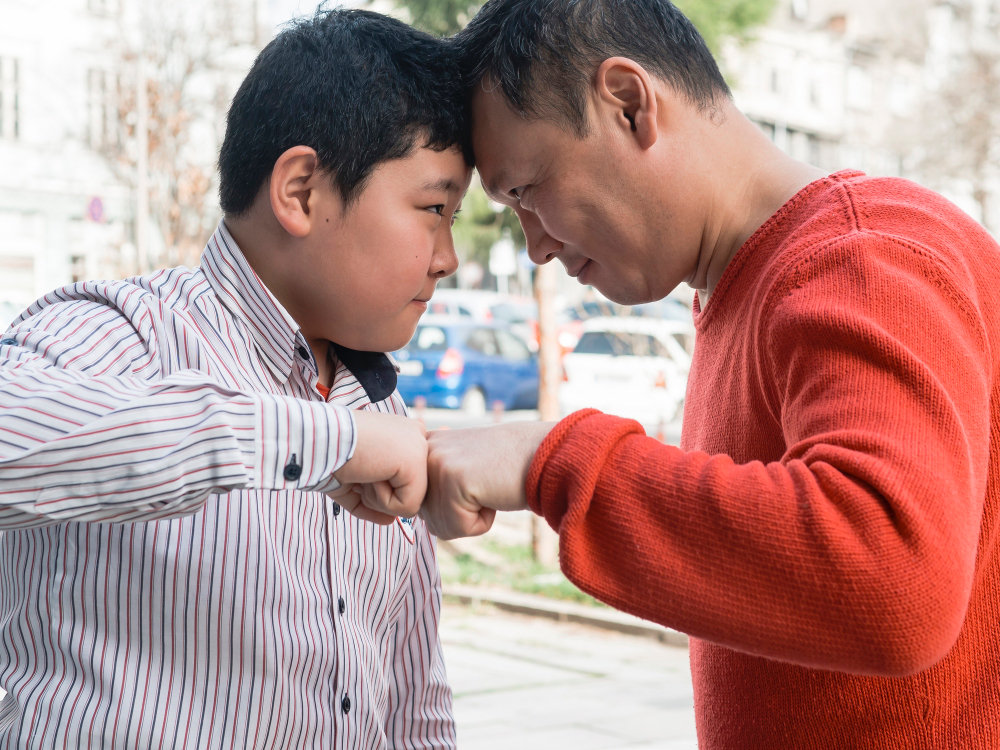
Inclusive is a magical word that involves an approach to building an open environment for everyone from all backgrounds, conditions, and locations. This includes student characteristics, physical condition, intellectual level, personality, social status, ethnicity, and culture. This mindset is used to design the curriculum for educational units in Indonesia, ensuring that the inclusive education system becomes an educational service system that provides opportunitiesfor students to receive a decent education.
According to Linda J. Graham in her work “Inclusive Education for the 21st Century,” inclusive education is a concrete manifestation of respect for human rights and a form of education system reform aimed at eliminating all forms of inequality. The goal is for every student worldwide to fully participate in the learning process together, whether they are the same age, older, or younger. Graham also emphasized that inclusion is not simply a matter of placing students in regular classes, but rather about redesigning the education system to accommodate the diversity of each child. She also highlighted that the current mainstream education system is not fully inclusive, so it is not surprising that students with disabilities often experience difficulties developing within it. In Indonesia, the implementation of inclusive educationutilizes the principle of flexibility, allowing it to be adapted to the conditions, abilities, and characteristics of students. The inclusive education system involves close collaboration and cooperation between regular teachers, special education teachers, therapists, and other educational staff to meet and strive for student learning success.
Children with special needs are brought together with regular students while regular students learn together, helping them understand the needs of their classmates with special needs, To date, the implementation of inclusive education in Indonesia still faces various complex challenges. Some schools deliberately conceal their inclusion status to discourage enrollment
of students with special needs. This phenomenon demonstrates that inclusivity in Indonesia is not evenly distributed, both in conceptual understanding and in practice. Many still view children with special needs as a burden, rather than as part of the diversity that needs to be accepted and empowered. In fact, true inclusive education is not simply about opening doors for children with special needs to attend school alongside their peers, but about how the education system is designed so that every child can learn, grow, and participate to their full potential. Inclusion demands a paradigm shift: from simply "accepting" to "facilitating" diversity. To achieve this, all of us especially aspiring educators need to engage in self- reflection. Are we truly ready to wholeheartedly accept and educate every child?
A true teacher's job is not only to teach, but also to guide with love, empathy, patience, and unconditional support. However, the reality is that many teachers still don't fully understand the concept and values of inclusion. A change in mindset and awareness, born from the heart, is needed so that education in Indonesia truly becomes a just space for all children without exception. With love, patience, and sincerity, we can transform the lives of children with special needs into more meaningful and empowering ones. I always remember the words of my mother, who was also a teacher:
One day you will prove that intellectual ability is not the the measure of success. Prove that those who were once mocked, yelled at, and even ignored can succeed with the right approach.” - Marentdry Cahyana
By: Alya Nabila Pramesti (24010044131)
