Challenges in Implementing Inclusive Education
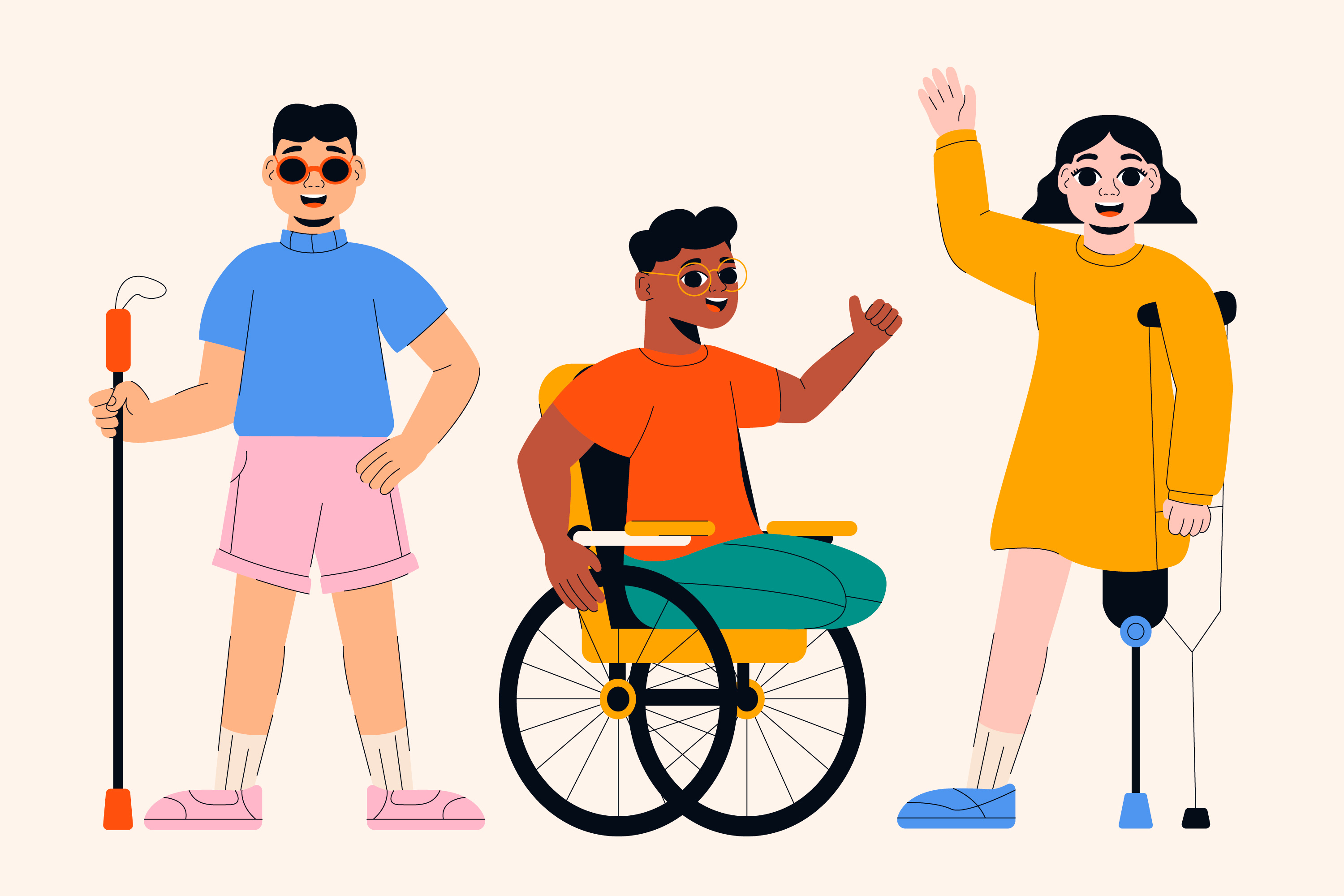
The term “inclusive” is no longer unfamiliar to us in the international and national arena. The term “inclusion” has been voiced by international organizations, at conferences, and by authorities. In Indonesia itself, there is a law that regulates persons with disabilities in Indonesia. This Is UU Nomor 8 Tahun 2016. This law serves as the legal basis for regulating respect, protection, and fulfillment of the rights of persons with disabilities, including the rights to accessibility, education, employment, and participation in society. Inclusion has also been implemented in various spheres, such as social, education, and public services. However, in reality, inclusive culture has not been thoroughly explored and implemented in all aspects. This is because the implementation of inclusive culture is weak due to the fact that the community or the general public does not yet understand the culture, meaning, and purpose of inclusion. In addition, there is a lack of accessibility to support persons with disabilities.
Inclusivity has entered all aspects of our lives. In the field of education, inclusion can be implemented through curricula tailored to disabilities and barriers experienced, the provision of school facilities, and educators/teachers who are knowledgeable about inclusive education. In addition, the social sphere has also taken inclusivity into account, such as by enabling people with disabilities to work and contribute to community activities, as well as providing adequate accessibility and assistance for people with disabilities. However, in reality, the implementation of inclusivity in the fields of education and social welfare faces challenges. In the field of education, there are obstacles and challenges in its implementation. The challenges can include teachers' lack of knowledge about the characteristics, obstacles, and needs of students.
According to (Juwono & Kumara, 2011), the challenges faced in implementing inclusive education are teachers' lack of knowledge and skills regarding students. The success of inclusive education depends on the support and accommodation provided by teachers to students (Belanger & Maertens, 2004). In addition, in this era of advanced technology, some teachers lack understanding of the use of technology that can be developed and assist in the learning process of special students. Some teachers still use teaching methods that do not utilize assistive technology and are even unable to provide programs that are relevant to the needs of students. In addition to obstacles caused by teachers, obstacles in the form of inadequate school facilities and infrastructure can also be a reason for delays in the implementation of inclusive education. The lack of facilities and infrastructure owned by schools will disrupt the teaching and learning process between students and teachers. These facility and infrastructure problems can include a lack of adequate classrooms, a lack of teaching equipment such as blackboards, tables, chairs, and supporting technology such as Chromebooks, as well as a lack of accessibility aids. and also the lack of accessibility aids in schools, such as hearing aids, embossed books, braille, and accessibility paths.
Then, in the social sphere, challenges in implementing inclusive education can include a lack of parental support for inclusive education. According to Amka 1995 (in Ummah, Risalul et al, 2025), parental attitudes and behaviors that do not support the implementation of inclusive education will have an impact on the formation of students' attitudes and behaviors. If parents support the learning process in inclusive education, students can develop well and reach their full potential. In addition to a lack of parental support, obstacles also arise from a lack of support from the social environment, including public awareness. There are also challenges from public stigma about inclusive education. According to Mustaqim, 2024 in (Melinda, Rida et al 2025), there are still discriminatory actions against people with disabilities and students in inclusive education. These actions can hinder the educational process and disrupt children's mental health. If people with disabilities have a supportive environment in society, they will achieve better results in their development.
By: Eka Nusantara Putri 24010044058
