Education for Everyone: Why Inclusion Matters in Indonesia
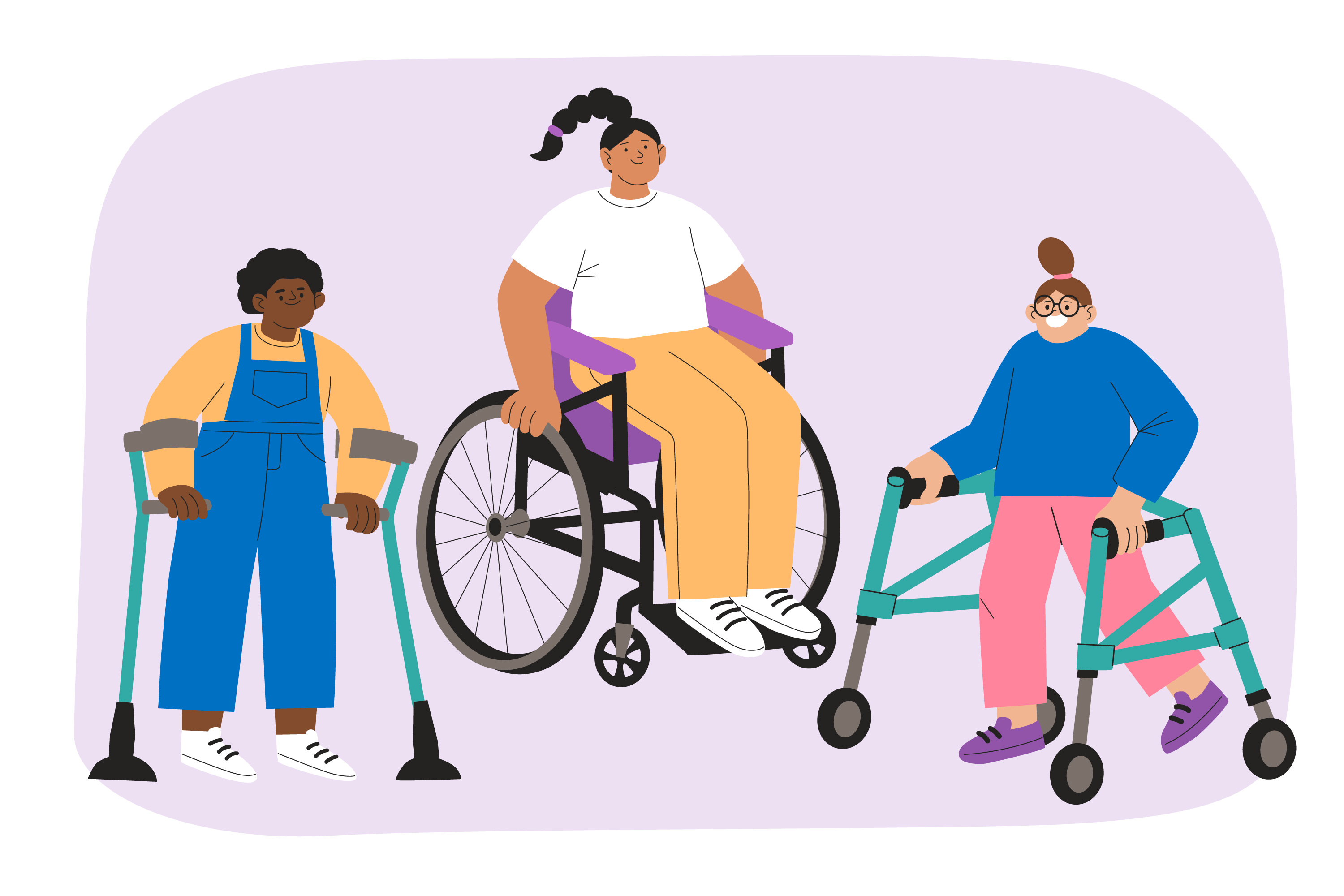
In today’s world, education should be for everyone, not only for students who are “normal” or smart. Every student has the right to learn together in the same school, no matter if they have disabilities or different backgrounds. This idea is called inclusive education. It started to become famous after the Salamanca Statement in 1994. Mel Ainscow and Margarida César said that many schools still don’t really understand what inclusion means. It’s not only about putting students with disabilities into normal classes, but about changing how the school system works so everyone can learn together. Linda J. Graham in her book Inclusive Education for the 21st Century said that inclusion should not only be in government policy.
It must happen in real classrooms. Teachers need support and training, and schools need to be flexible for different kinds of students. In Indonesia, this is still a big challenge. The government already has inclusive education programs, but many schools don’t have enough teachers, tools, or knowledge to make them work well. Sometimes, people still think students with disabilities cannot learn the same way as others. Richard M. Gargiulo’s book Special Education in Contemporary Society gives another important idea. He says that every student is special in their own way, and schools should respect these differences. This is close to the Indonesian value of gotong royong, where people help and care for each other. Inclusion is not only about school, it’s also about kindness and respect. When we understand each other, we make learning better for everyone.
The SEAMEO SEN report about Southeast Asia also talks about this. Indonesia and other countries are trying to build inclusive schools, but sometimes it’s only in name, not in real practice. Still, there are many good examples from teachers, communities, and NGOs who work hard to make education fair for all children. This shows that inclusion can happen when people care and become more aware. In the end, inclusive education is not only the job of teachers or the government. Everyone needs to be aware. Parents, students, and society. When people understand that inclusion helps all learners, not just those with disabilities, they will be more open and supportive. For Indonesia, we need more awareness and understanding from everyone. Because when schools welcome every child, that’s when education really becomes for all.
By: Alfin Dikhya Rizki Ramadhon 24010044057
