HOW INDONESIA ADDRESSES LANGUAGE DIFFERENCES TO ACHIEVE INCLUSIVE EDUCATION.
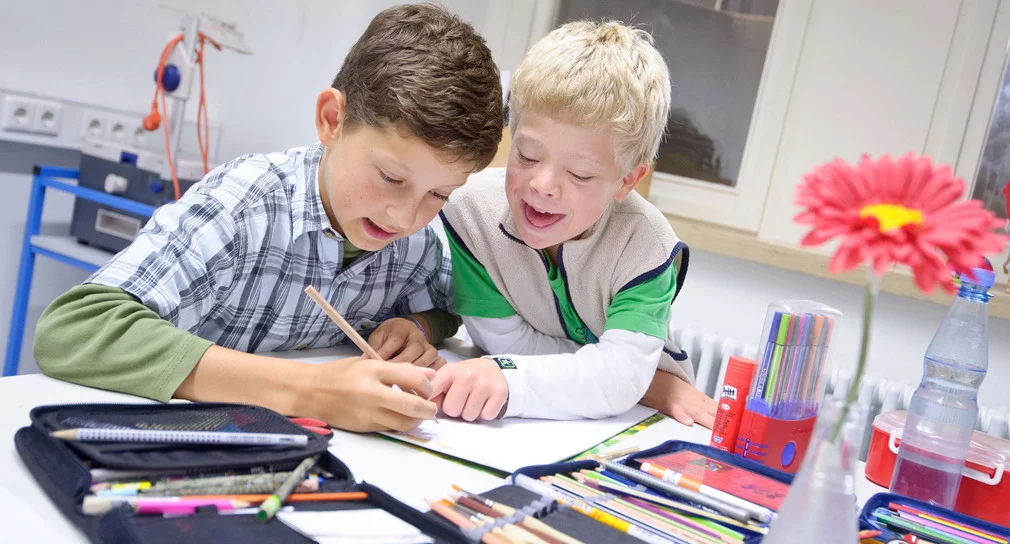
Inclusive education is not just about including all children in learning, but also about how children are in an environment that allows them to feel accepted, valued, and able to fully adapt to the learning process, without any discrimination against children. According to Jenifer Alford and Haley Tancredi in their book Inclusive Education for the 21st Century (2024), language is an important aspect in creating an inclusive learning environment. Language is not just a means of communication but also an identity, culture, and a tool for socializing in the classroom. Therefore, the use of inclusive language is an important key to learning in the classroom.
Language is a challenge in Indonesia, with approximately ±718 diverse regional languages. Although Indonesian is the main language of instruction in formal education, it cannot be denied that regional languages and dialects remain inseparable, as they are the languages that children use every day at home. The use of regional languages indirectly leadsto grouping in the classroom. Children are accustomed to befriending those from the same region/ethnicity. As a result, when there are differences in ethnicity and language, children tend to perceive this as unusual, which can lead to misunderstandings and ultimately bullying. This case is commonly found in Indonesia. For example, when a child from region A moves to region B, there is a high possibility that the child will be bullied due to dialect differences. The child is often considered strange and “different,” which leads to the child being shunned in some cases. This proves that education in Indonesia is not yet fully inclusive in terms of language.
This issue is very important to pay attention to, teachers need to think about ways to deal with it properly. Teachers need to understand the differences in language and situations that occur in the classroom. Based on this, teachers are able to develop strategies where children feel accepted and accept the differences that occur, as a result of which children are expected to be able to understand the diversity that exists in Indonesia, which causes differences. In addition to teachers, schools also need to instill values of tolerance in terms of ethnicity, culture, and especially language, which can be conveyed through the curriculum and activities that raise the issue of diversity. In the context of the current independent curriculum, the P5 (Pancasila Student Profile Strengthening Project) was a good step in addressing this issue.
In conclusion, language is a very important aspect of inclusive education. Indonesia, as the country with the second most languages in the world, requires cross-dialect communication skills and an early understanding of linguistic differences. Inclusive education will be realized when language is used as a bridge to understand and appreciate differences, rather than becoming a barrier and a source of division among children based on their backgrounds. When all components of education (teachers, students, schools, and curriculum) are able to use language as a bridge for communication, the aspiration of true inclusive education will not be impossible to achieve.
By: Maulidia Alfia Rahmaningtyas 24010044094
