Leading Change Towards Truly Inclusive Education
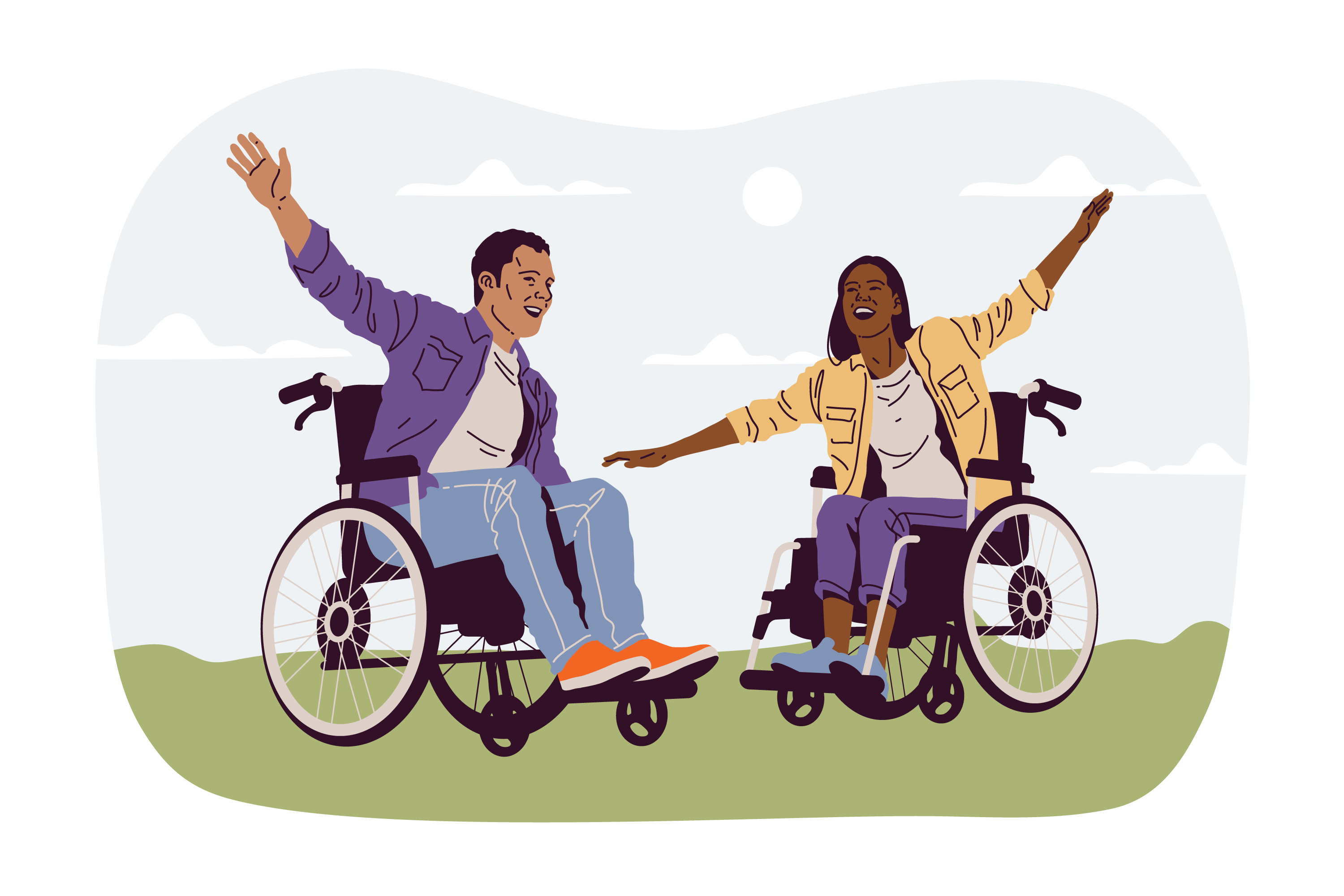
Inclusive education reform, described by Linda J. Graham, along with Callula Killingly, Haley Tancredi, and Theresa Bourke in Chapter 8: Leading Inclusive Education Reform, in the book “Inclusive Education for the 21st Century,” illustrates that building an education that truly welcomes all children is not just a matter of policy on paper. They emphasize that creating inclusive schools requires a shift in mindset at all levels, from the government and school leaders to the teachers in the classroom.
Many schools have good intentions to be inclusive, but are still confused about where to start and how to implement them in practice. Therefore, the role of leadership is crucial. A principal or educational leader must be able to guide and set an example for teachers and staff so they understand that every child has the right to learn together without discrimination. Inclusive leadership means daring to challenge old habits that still discriminate against children based on their abilities or backgrounds. Such leaders not only tell teachers to change, but also learn alongside them, provide support, and create a work environment of mutual trust.
One concrete example of this idea in action is in Central Queensland (CQ) in Australia. There, school leaders collaborate with universities through training and research programs that help them gain a deeper understanding of inclusive practices. They not only learn theory but are also invited to examine practices in their own schools and develop solutions to enable all students to participate in learning. This approach demonstrates that inclusive education reform cannot be achieved alone or through rigid, top-down rules, but rather through collaboration and shared commitment. Graham and her colleagues emphasize that true change occurs when educational leaders are willing to open their minds, listen to teachers’ experiences, and dare to try new things for the benefit of students. Ultimately, inclusive reform is not a temporary project, but a long-term journey to create an education system that is just, humane, and capable of making all children, without exception, feel accepted and valued in their schools.
By: Indah Patricia Lestari 24010044069
