“WHAT ARE YOU THINK ABOUT INCLUSION IN SMALL ASPECT”
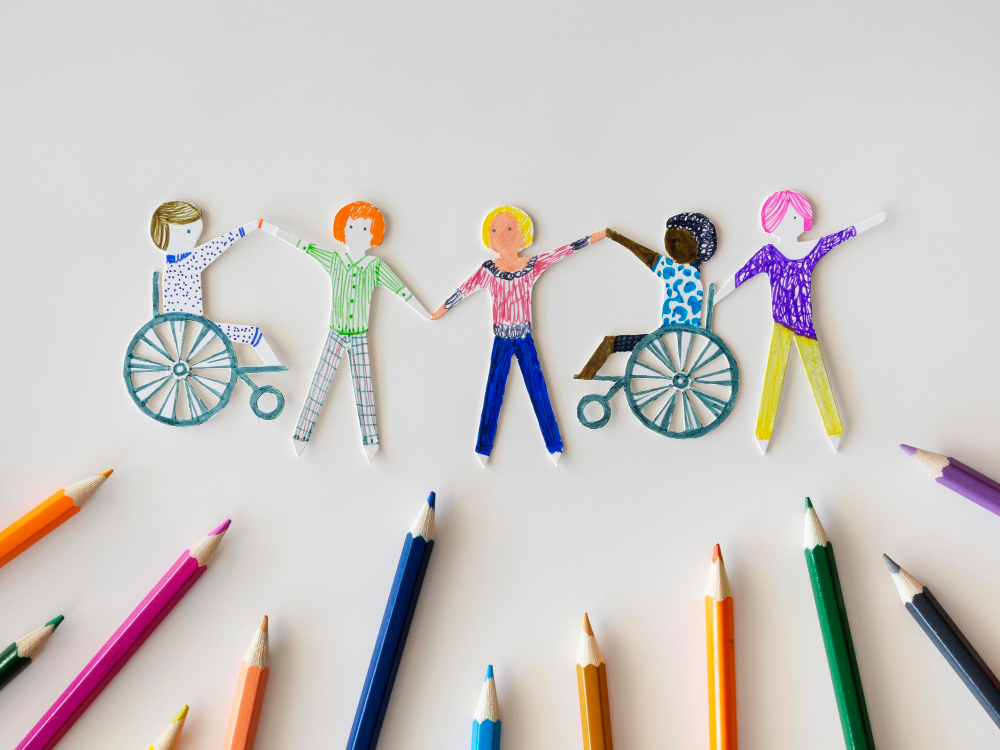
Inclusive is a word derived from the English term inclusion, which means: inclusion or inclusion. Olsen & Fuller (2003:167). Inclusive is a term that is generally used to educate students with and without certain disabilities in a regular classroom. According to Law No. 20 of 2003, Article 1 paragraph 1, inclusive education is a form of education that bringstogether children with special needs and normal children in general to learn. The objectives of inclusive education according to Murdjito, et al (2012:13) are a) to minimize the limitations of children's growth and development conditions in order to maximize their opportunities to engage in moral activities, b) to prevent more severe conditions ofdevelopmental irregularities that could result in children becoming disabled, c) to prevent the development of other limitations as a result of their disabilities.
According to Sunardi in Yusuf, M. (2018:155), the history of inclusive education began in Scandinavian countries (Europe, Norway, Denmark, Sweden). The United States has also been developing inclusive education for a long time, since the 1950s. In 2004, Indonesia held a national convention that resulted in the Bandung Declaration, committingIndonesia to inclusive education. To fight for the rights of children with learning disabilities, an international symposium was held in Bukittinggi in 2005, resulting in the Bukittinggi Recommendations. In realizing inclusive education, it is necessary to start with the smallest aspect, namely at school. Schools must be able to create a safe and comfortable environment for children with special needs (ABK) and typical children.
This smallest aspect can begin with actions, such as teachers giving all students in the class the opportunity to express their opinions regardless of their circumstances. Teachers also set an example of helping each other, such as when a classmate has learning difficulties (dyslexia), their classmates can help by reading aloud and giving rewards in the form of praise when they succeed in reading. Peer support greatly influences the self-confidence of children with special needs, so teachers must be able to involve all students in the classroom. Another thing that can be done is for teachers to prepare learning media that is tailored to the students' conditions. If there are blind students in the classroom, teachers must also prepare learning media that uses the sense of touch or audio so that these students can also follow the lesson.
The implementation of inclusive education is the responsibility of all parties, from schools to the government. Government regulations and adequate school facilities are important for the implementation of inclusive education, but there is something more important, namely empathy, appreciation, and active support in schools. This allows childrenwith special needs and typical children to develop their potential together, because the goal of inclusive education is to provide all students with the opportunity to experience education. This simple thing can become a strong foundation for creating an inclusive and comfortable learning environment for all students.
By : Ade Rahma Salsabilla 24010044004
